
Pupil Premium
The Pupil Premium and Early Years Pupil Premium is additional funding for schools in England to raise the attainment of children and close the gap between groups of children.
Which children are entitled to Pupil Premium?
- Children who have been registered as eligible for free school meals at any point in the previous 6 years.
- Children who have:
- been looked after for 1 day or more
- left care under a special guardianship order, a residence order or a child arrangements order
How much additional funding does a school receive per pupil?
Schools receive the following funding for each child registered as eligible for Pupil Premium:
- £1,320 for pupils in reception year to year 6
- Schools will also receive £1,900 for each pupil who has left local-authority care because of adoption, a special guardianship order, a residence order or a child arrangements order
What difference does Pupil Premium make?
Children from disadvantaged backgrounds are far less likely to get good GCSE results. Attainment statistics published in January 2014 show that in 2013 37.9% of pupils who qualified for free school meals got 5 GCSEs, including English and mathematics at A* to C, compared with 64.6% of pupils who do not qualify.
- Schools must publish details of how they spend their pupil premium and the effect this has had on the attainment of the pupils who attract the funding. See your child's school website for more details.
- Ofsted’s school inspections report on the attainment and progress of disadvantaged pupils who attract the pupil premium.
- School and college performance tables also report on the performance of disadvantaged pupils compared with their peers.
Which children are entitled to Pupil Premium?
Children will be eligible if their parents are in receipt of one or more of the following benefits, which are the benefits used to access eligibility for free school meals:
- Income Support
- income-based Jobseeker's Allowance
- income-related Employment and Support Allowance
- support under part 6 of the Immigration and Asylum Act 1999
- the guaranteed element of State Pension Credit
- Child Tax Credit (provided they’re not also entitled to Working Tax Credit and have an annual gross income of no more than £16,190)
- Working Tax Credit run-on - paid for 4 weeks after they stop qualifying for Working Tax Credit
- Universal Credit
Or if they have been:
- looked after by the local authority for at least 1 day
- have been adopted from care
- have left care through special guardianship
- subject to a child arrangement order setting out with whom the child is to live (formerly known as residence orders)
What difference does Pupil Premium make?
- National data and research tells us that children eligible for free school meals tend to do less well, for example in 2014, 45% of children eligible for free school meals achieved the expected level at the end of the early years foundation stage compared with 64% of other children
- The early years pupil premium gives money to schools so they can make sure eligible children have the best possible outcomes when they start school and beyond.
- Evidence shows that children from less advantaged backgrounds can start school 19 months behind their peers, but that good quality childcare can reduce this gap and have a significant benefit in terms of a child’s development.
How do I apply for the Pupil Premium Grant for my child?
To find out more information about eligibility for ‘free school meals’ or the application process please click here.
PE & Sport Premium
What is the PE and Sports Premium?
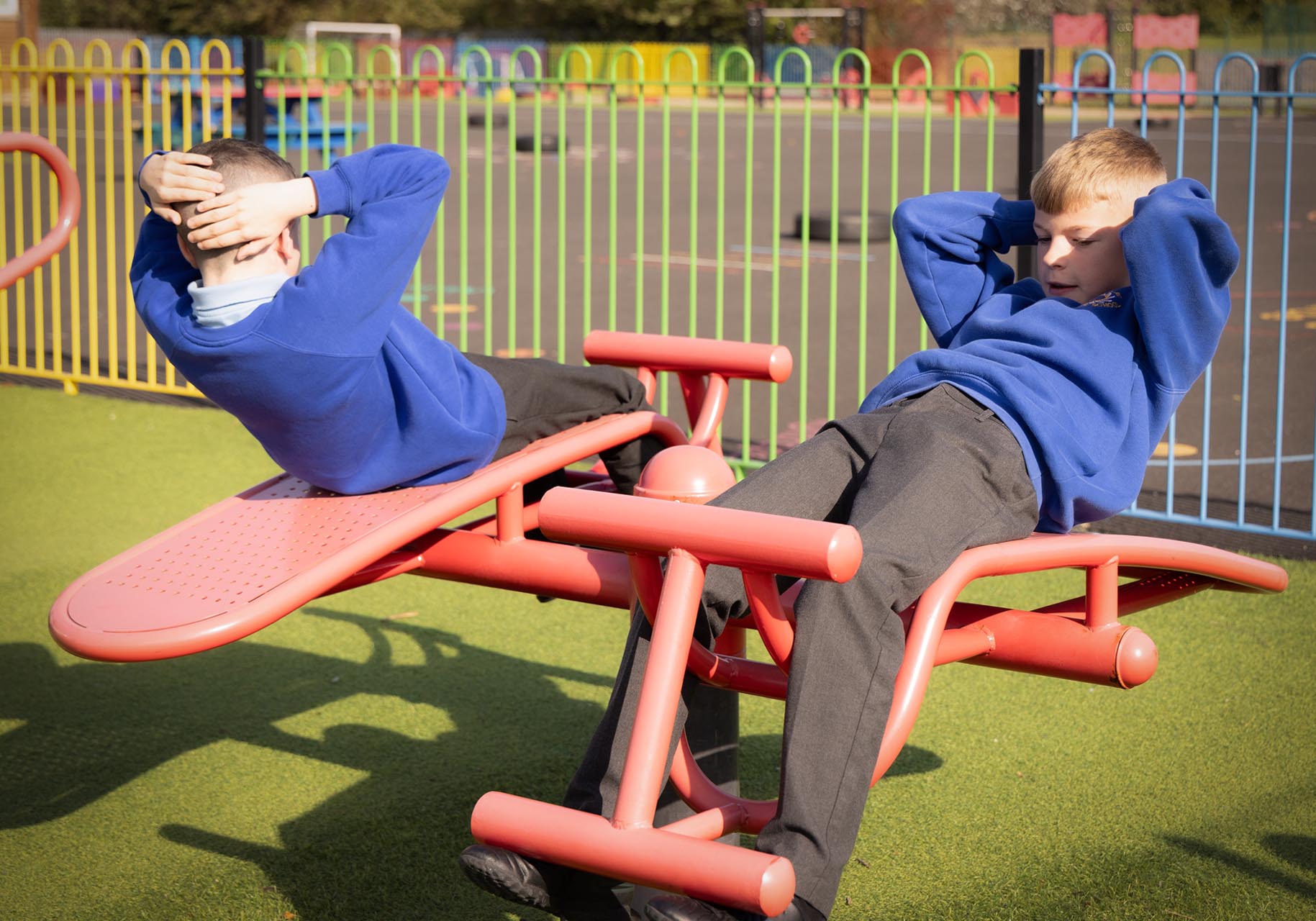
The PE & Sport Premium is additional government funding provided to primary schools to improve the quality of physical education (PE), sport and physical activity for all pupils. The funding is intended to help schools build sustainable improvements that have a long-term impact on pupils’ health, wellbeing and enjoyment of physical activity.
The PE & Sport Premium is allocated to schools based on the number of pupils in Years 1 to 6 and is ring-fenced, meaning it must be used specifically to enhance PE and sport provision.
How is the PE & Sport Premium used?
Schools decide how best to use the PE & Sport Premium funding to meet the needs of their pupils. The funding is commonly used to:
- Improve the quality of PE teaching and learning
- Increase pupils’ participation in physical activity, sport and competition
- Provide professional development and training for staff
- Broaden the range of sports and activities offered to pupils
- Promote healthy lifestyles and positive attitudes towards physical activity
- Improve access to physical activity for all pupils, including those who may be less active
The focus is on creating a positive, inclusive culture of physical activity and ensuring pupils develop the skills, confidence and enjoyment needed to remain active throughout their lives.
Accountability and impact
Schools are required to publish details of how their PE & Sport Premium funding is spent and to evaluate the impact on pupils’ participation, engagement and physical development. This ensures transparency and demonstrates how the funding contributes to improved outcomes for pupils.
Further information can be found in our PE & Sport Premium Strategy and Impact Report on this page, which outlines how this funding is used in our school and the difference it makes to pupils’ experiences and wellbeing.